Is Affordability Killing the Australian Dream
- bespokeeng
- 7 days ago
- 4 min read
The Australian dream has long been tied to owning a home with a spacious backyard. It’s a place where families gather, children play cricket, and neighbours connect over barbecues. But today, this dream is changing. Land prices are rising sharply, and blocks of land are getting smaller. Backyards that once stretched wide enough for a game of cricket are now shrinking to mere patches of grass. This shift raises a critical question: is affordability killing the Australian dream?
The Rising Cost of Land and Shrinking Blocks
Land prices in Australia have surged over the past decade. Cities like Sydney and Melbourne have seen some of the highest increases, pushing the cost of buying land beyond the reach of many families. This trend forces developers to subdivide land into smaller blocks to keep prices somewhat affordable.
Smaller blocks mean smaller backyards. The traditional Australian backyard, once a symbol of space and freedom, is becoming a luxury. Many new homes now come with limited outdoor space, often just enough for a small garden or patio. This change affects how families live and interact with their homes.
The impact goes beyond just the size of the yard. It changes lifestyles. Children have less room to play outside, and families have fewer opportunities to enjoy outdoor activities at home. The backyard cricket game, a classic Australian pastime, is becoming harder to play in many new suburbs.

What Is the New Australian Dream?
As land becomes more expensive and blocks shrink, the traditional dream of a large backyard is evolving. The new Australian dream is shifting towards smart, community-focused living. Instead of private large yards, people are looking for shared spaces that offer the benefits of outdoor living without the high cost of land.
Communal backyard facilities are becoming essential in new developments. These shared spaces can include playgrounds, barbecue areas, gardens, and sports facilities. They provide residents with places to gather, play, and relax, helping to build a sense of community.
This approach also supports sustainability. Shared outdoor spaces reduce the need for individual large yards, which can be costly to maintain and water. They encourage social interaction and create safer environments for children to play.
Examples of Communal Backyard Facilities in Development
Developers and urban planners are increasingly incorporating communal backyard facilities into their projects. For example, some new housing estates include:
Shared playgrounds where children from the neighbourhood can play safely.
Community gardens that allow residents to grow plants and vegetables together.
Outdoor barbecue and picnic areas for social gatherings.
Sports courts and open green spaces for activities like cricket, soccer, and yoga.
These facilities help compensate for smaller private yards and offer residents a richer outdoor experience. They also add value to the community by fostering connections among neighbours.
Integrating Communal Spaces with Modern Housing Solutions
One way to support this new dream is through innovative housing designs that maximise space and community use. For instance, developments that include urban design consultancy services can plan layouts that balance private living with shared outdoor areas.
An example of such a service is Urban Design Solutions, which specialises in creating sustainable and community-focused neighbourhoods. Their approach includes designing communal spaces that encourage social interaction while respecting residents’ privacy.
Another service that supports this shift is GreenLand Developments, a company that focuses on sustainable land development. They work on projects that integrate communal facilities like parks and gardens into residential areas, helping to maintain green space even in high-density developments.
These services show how the industry is adapting to the challenges of affordability and changing lifestyles. By working with expert consultants, developers can create neighbourhoods that meet modern needs without sacrificing quality of life.

Challenges and Opportunities for Infrastructure Developers
For infrastructure developers and construction companies, the shift towards communal backyard facilities presents both challenges and opportunities. Designing and building shared spaces requires careful planning to ensure they are safe, accessible, and enjoyable for all residents.
Developers must consider:
Maintenance: Shared spaces need ongoing care, which can be managed by homeowners’ associations or local councils.
Safety: Playgrounds and sports areas must meet safety standards to protect users.
Accessibility: Facilities should be easy to reach for all residents, including those with mobility issues.
Community engagement: Involving residents in the design and use of communal spaces can increase their success.
At the same time, these projects offer opportunities to create vibrant, connected communities. Well-designed communal areas can increase property values and attract buyers looking for a lifestyle that balances privacy with social interaction.
The Role of Government and Policy
Government agencies play a key role in shaping the future of housing and land use. Policies that encourage or require the inclusion of communal backyard facilities can help address the challenges of affordability and shrinking land sizes.
For example, some local councils have introduced guidelines for new developments to include a minimum amount of shared open space. These policies support sustainable urban growth and improve residents’ quality of life.
In addition, government incentives for sustainable development can encourage builders to adopt designs that include communal facilities. This approach aligns with broader goals of reducing urban sprawl and promoting environmental responsibility.
Looking Ahead: Building the Future Australian Dream
The Australian dream is not dead; it is evolving. Affordability pressures and rising land prices are changing how people live and what they expect from their homes. The future dream will likely focus on community, shared spaces, and sustainable living.
Developers, planners, and government agencies must work together to create neighbourhoods that offer more than just a house. They need to build places where people can connect, children can play safely, and green spaces are preserved.
By embracing communal backyard facilities and innovative urban design, the industry can help Australians enjoy a new kind of dream—one that fits the realities of today’s housing market while keeping the spirit of outdoor living alive.
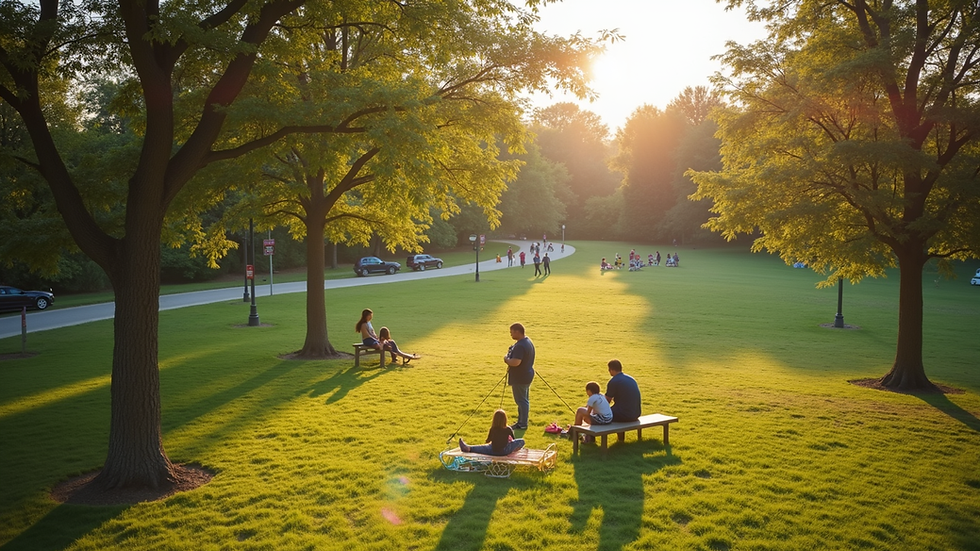
The shift towards communal outdoor spaces is a practical response to the challenges of affordability and land scarcity. It offers a way to keep the essence of the Australian dream alive in a changing world.
If you want to explore how urban design consultancy can help your next project, consider visiting Urban Design Solutions for expert advice on creating sustainable and community-focused developments.


Comments