Structural design excellence delivers on development objectives
Structural design plays a crucial role in shaping the built environment. It ensures that buildings and infrastructure are safe, durable, and fit for purpose. Achieving excellence in structural design means meeting development objectives with precision and reliability. This post explores how structural design excellence supports development goals and highlights practical examples of engineering consultancy services that deliver on their promises.

Why structural design excellence matters for development objectives
Structural design is the backbone of any construction project. It defines how loads are carried, how materials interact, and how the structure responds to environmental forces. When done well, it results in buildings and infrastructure that are safe, cost-effective, and sustainable.
Meeting development objectives requires more than just technical compliance. It demands a clear understanding of project goals, site conditions, and long-term performance expectations. Structural design excellence ensures that these factors are integrated into a cohesive solution.
Key reasons structural design excellence matters include:
Safety and reliability: Proper design prevents failures and protects lives.
Cost efficiency: Optimised structures reduce material waste and construction costs.
Sustainability: Designs that consider environmental impact support green building practices.
Longevity: Durable structures require less maintenance and have longer service lives.
Adaptability: Flexible designs accommodate future changes or expansions.
By focusing on these aspects, structural engineers help development projects deliver on their promises to stakeholders and communities.
How engineering consultancy supports structural design excellence
Engineering consultancies bring specialised knowledge and experience to structural design. They work closely with clients, architects, and contractors to develop solutions that meet technical and project requirements.
One example of a consultancy that embodies this approach is Development Objective. They provide high-precision, sustainable, and innovative solutions in civil, structural, geotechnical, and urban design across Australia and New Zealand. Their work demonstrates how expert consultancy can translate development objectives into successful outcomes.
Development Objective’s structural engineering services include:
Detailed structural analysis and modelling
Material selection and specification
Compliance with Australian and New Zealand standards
Integration of sustainability principles
Collaboration with multidisciplinary teams
Their approach ensures that every design decision supports the overall project goals, from initial concept to construction.
Examples of structural design excellence in practice
To illustrate how structural design excellence delivers on development objectives, consider these examples:
1. Bridge design with advanced materials
A recent project involved designing a pedestrian bridge in an urban park. The consultancy used high-strength steel and precast concrete elements to create a lightweight yet robust structure. This choice reduced construction time and environmental impact while meeting safety standards.
The design incorporated:
Load distribution analysis to optimise beam sizes
Corrosion-resistant materials for durability
Modular components for easy assembly and future maintenance
This project shows how material innovation and precise engineering can achieve development goals efficiently.
2. Sustainable commercial building structure
For a new office building, the consultancy focused on sustainability by selecting recycled steel and low-carbon concrete. The structural design maximised natural light and ventilation, reducing energy consumption.
Key features included:
Structural framing that supports large open spaces
Integration with building services for energy efficiency
Compliance with green building certifications
This example highlights how structural design excellence contributes to environmental objectives without compromising functionality.
3. Geotechnical and structural integration for hillside housing
In a hillside residential development, the consultancy combined geotechnical and structural expertise to address challenging soil conditions. They designed deep foundations and retaining walls that ensured stability and safety.
The design process involved:
Soil testing and analysis
Custom foundation solutions tailored to site conditions
Coordination with architects to maintain aesthetic goals
This project demonstrates the importance of multidisciplinary collaboration in achieving development objectives.
Comparing structural engineering services for development success
When selecting structural engineering services, it is important to consider how well they align with project goals. Comparing consultancies based on their approach to design excellence can guide decision-making.
For example, Development Objective stands out for:
Their commitment to precision and accuracy in design
Emphasis on sustainable and innovative solutions
Strong partnerships with clients for long-term success
Other firms may offer similar technical skills but lack the integrated approach that ensures development objectives are fully met.
Choosing a consultancy that prioritises structural design excellence helps avoid costly redesigns, delays, and compliance issues. It also supports the creation of infrastructure that serves communities well into the future.

Practical steps to achieve structural design excellence
Achieving excellence in structural design requires a clear process and attention to detail. Here are practical steps that engineering consultancies and project teams can follow:
Define clear development objectives: Understand the project’s purpose, constraints, and success criteria.
Conduct thorough site investigations: Gather data on soil, climate, and existing infrastructure.
Use advanced design tools: Employ software for modelling, simulation, and optimisation.
Select appropriate materials: Consider strength, durability, cost, and environmental impact.
Collaborate across disciplines: Work closely with architects, planners, and contractors.
Ensure compliance and quality control: Follow relevant standards and conduct regular reviews.
Plan for maintenance and adaptability: Design structures that can be maintained easily and modified if needed.
Following these steps helps ensure that structural design supports the overall development objectives effectively.
The role of innovation in structural design excellence
Innovation drives improvements in structural design. New materials, construction methods, and digital tools enable engineers to solve complex challenges more efficiently.
For instance, Development Objective integrates innovative techniques such as:
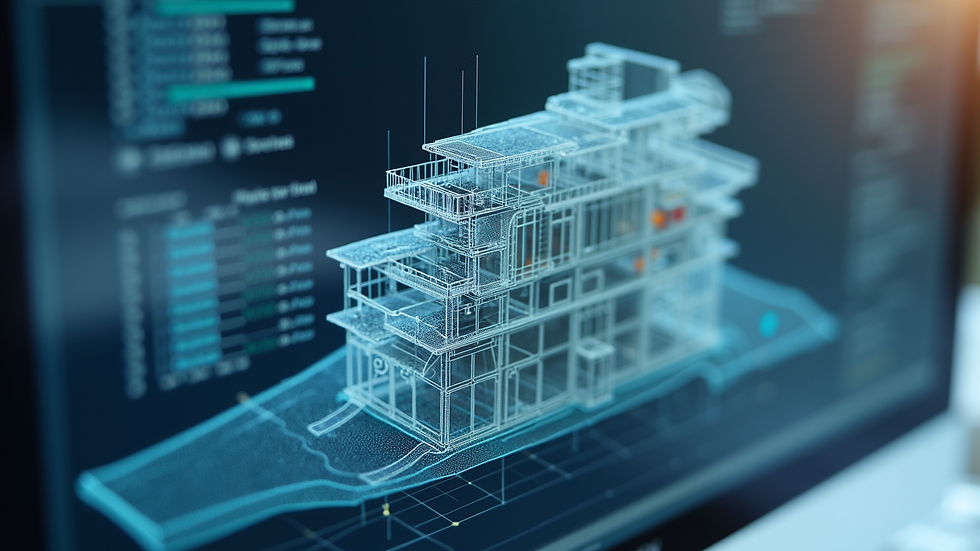
Building Information Modelling (BIM) for better coordination
Use of sustainable materials to reduce carbon footprint
Advanced analysis methods for complex load scenarios
Innovation not only improves design quality but also enhances project delivery times and cost control. It allows development objectives to be met with greater confidence and fewer risks.
Building long-term partnerships through structural design excellence
Structural design excellence fosters trust and long-term relationships between engineering consultancies and clients. When projects meet or exceed expectations, clients are more likely to return for future work and recommend services to others.
Development Objective aims to build these partnerships by:
Delivering consistent, high-quality results
Communicating clearly and transparently
Offering ongoing support and advice after project completion
This approach benefits all parties by creating a foundation for continued success and innovation in infrastructure development.
Structural design excellence is essential for delivering on development objectives. It ensures safety, efficiency, sustainability, and adaptability in construction projects. Engineering consultancies like Development Objective demonstrate how expert design services can meet these goals through precision, innovation, and collaboration.
Choosing the right structural engineering partner makes a significant difference in project outcomes. By focusing on clear objectives, thorough analysis, and sustainable practices, development projects can achieve lasting value for communities across Australia and New Zealand.
For more information on how structural design excellence can support your next project, consider exploring the services offered by Development Objective. Their expertise in civil, structural, geotechnical, and urban design provides a strong foundation for successful infrastructure development.


Comments