The Importance of Structural Engineers Doing Inspections in Person, via Drone, and Video Link to Ensure Work Is Built Correctly
Ensuring that construction projects meet safety and quality standards is critical. Structural engineers play a vital role in this process by conducting inspections. These inspections can be done in person, through drones, or via video links. Each method offers unique benefits and helps confirm that work is built correctly. I will explain why these inspections matter, how different approaches complement each other, and share examples of tools that support this work.
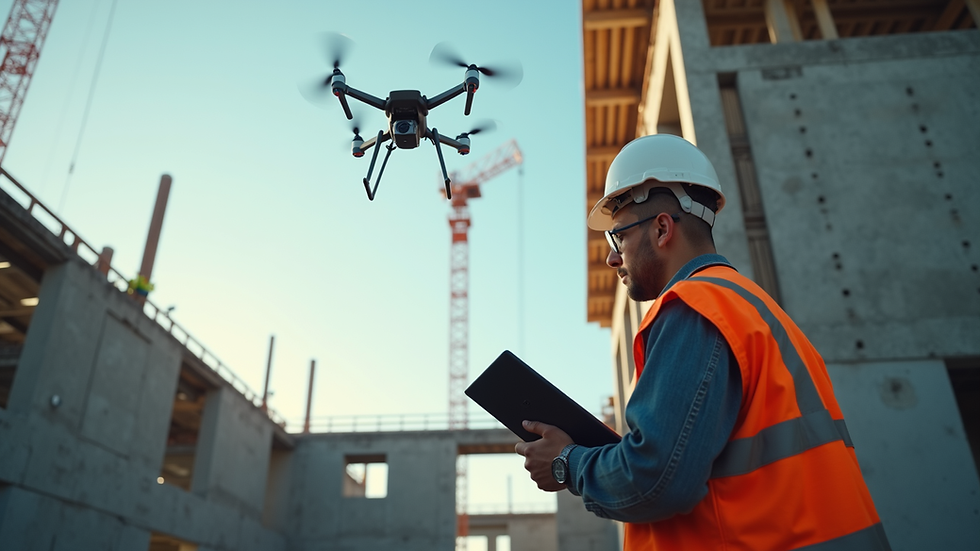
Why Structural Engineer Inspections Are Essential
Structural engineers ensure that buildings and infrastructure are safe, stable, and built according to design specifications. Without thorough inspections, errors or shortcuts can go unnoticed, leading to costly repairs or even dangerous failures.
Inspections help:
Verify that materials and workmanship meet standards
Detect early signs of structural issues
Confirm compliance with building codes and regulations
Provide documentation for project progress and quality control
When engineers inspect in person, they can closely examine critical elements such as welds, bolts, concrete pours, and reinforcements. This hands-on approach allows them to identify subtle problems that might be missed otherwise.
However, construction sites can be large, complex, or difficult to access. This is where technology like drones and video links become valuable tools.
How Drones Enhance Structural Inspections
Drones provide a bird’s-eye view of construction sites. They can reach high or hard-to-access areas safely and quickly. Using drones, engineers can:
Capture detailed aerial images and videos
Inspect roofs, tall structures, and bridges without scaffolding
Monitor progress over time with repeat flights
Identify potential hazards or defects from multiple angles
For example, a drone equipped with a high-resolution camera can fly around a bridge under construction, capturing close-up footage of welds and joints. The engineer can then review this footage to check for cracks or misalignments.
One product that supports this approach is the SkyInspect Drone Inspection Service. It offers high-quality drone surveys tailored for structural engineering needs. This service provides detailed reports and 3D models that help engineers make informed decisions.
Learn more about SkyInspect here.
Using Video Links for Remote Inspections
Video links allow engineers to conduct live inspections without being physically present on site. This method is especially useful when travel is restricted or when multiple sites need monitoring simultaneously.
During a video inspection, an on-site technician or contractor can stream real-time footage to the engineer. The engineer can direct the camera to focus on specific areas, ask questions, and provide immediate feedback.
This approach saves time and travel costs while maintaining inspection quality. It also supports collaboration between teams in different locations.
A service like BuildView Remote Inspection offers secure video link platforms designed for construction projects. It enables clear communication and detailed visual inspections from anywhere.
Find out more about BuildView here.
Combining In-Person, Drone, and Video Inspections for Best Results
Each inspection method has strengths and limitations. Combining them creates a comprehensive approach that improves accuracy and efficiency.
In-person inspections allow detailed hands-on checks and physical testing.
Drones provide access to difficult areas and capture wide views.
Video links enable remote oversight and faster communication.
For example, during a high-rise building project, an engineer might visit the site weekly for close inspections. Meanwhile, drones perform daily aerial surveys to track progress. Video links connect the engineer with site managers for quick updates and problem-solving.
This integrated approach reduces risks, ensures compliance, and keeps projects on schedule.
Practical Examples of Inspection Tools in Use
To illustrate, here are two products that support structural engineers in their inspection work:
SkyInspect Drone Inspection Service
Provides aerial surveys with high-resolution imaging
Creates 3D models and detailed reports
Helps identify structural defects early
Supports large and complex sites
BuildView Remote Inspection
Offers live video streaming for remote inspections
Enables real-time communication between engineers and site teams
Reduces travel time and costs
Enhances collaboration across locations
Using these tools, engineers can maintain high standards even on challenging projects.

Challenges and Considerations for Structural Inspections
While technology improves inspections, some challenges remain:
Drone flights require skilled operators and compliance with aviation rules
Video inspections depend on reliable internet connections
In-person visits may be limited by site safety or access restrictions
Engineers must balance these factors and choose the best method for each situation. Training and clear protocols help ensure inspections are effective and consistent.
The Role of Structural Engineers in Building Safety
Structural engineers are responsible for protecting public safety by ensuring structures are sound. Their inspections verify that construction follows design and safety standards.
By using a mix of in-person visits, drone surveys, and video links, engineers can catch issues early and prevent costly or dangerous problems. This approach supports sustainable and high-quality infrastructure development.

Structural inspections are a critical part of construction quality control. Combining in-person inspections with drone and video link technology allows engineers to work more efficiently and thoroughly. This ensures that projects are built correctly, safely, and to the highest standards.
For infrastructure developers and construction teams, embracing these inspection methods supports better outcomes and long-term success. Using services like SkyInspect Drone Inspection Service and BuildView Remote Inspection can help deliver precise and reliable inspections across Australia and New Zealand.
The future of structural inspections lies in this blend of traditional expertise and modern technology, helping build safer, stronger communities.


Comments