Slope Stability Analysis from $2200+GST and Why It Matters for Your Project
- bespokeeng
- 3 minutes ago
- 4 min read
Building on sloped land presents unique challenges. One of the most critical is understanding how stable the earth beneath your project really is. Without this knowledge, construction risks increase, safety can be compromised, and costs may spiral due to unexpected ground movement or failure. That is why slope stability analysis is essential before any development begins.
This post explains what slope stability analysis involves, why it is vital for infrastructure and construction projects, and how professional services starting from $2200+GST can provide the insights you need to build with confidence.

What Is Slope Stability Analysis?
Slope stability analysis is the process of assessing the likelihood that a slope will fail or collapse. It involves studying the soil, rock, and groundwater conditions to determine if the slope can safely support the planned construction.
Engineers use various methods to evaluate slope stability, including:
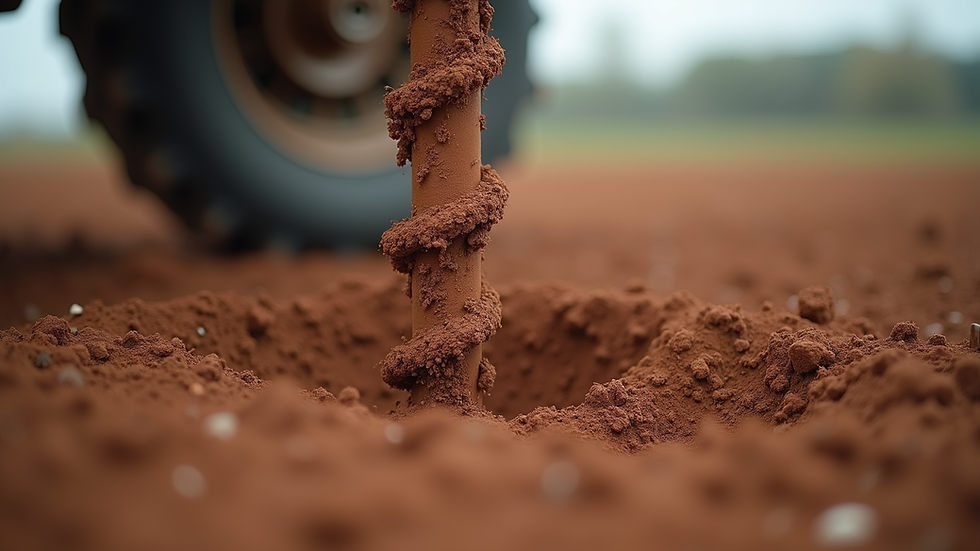
Geotechnical investigations: Drilling and sampling soil and rock to understand their properties.
Laboratory testing: Measuring strength, density, and moisture content of samples.
Mathematical modelling: Using software to simulate slope behaviour under different conditions.
Field monitoring: Installing instruments to track movement or changes over time.
The goal is to identify potential risks such as landslides, erosion, or subsidence and recommend measures to prevent them.
Why Knowing Slope Stability Is Crucial
Building on unstable ground can lead to serious problems. Here are some reasons why slope stability analysis is a must:
Safety: Unstable slopes can collapse, endangering workers, residents, and the public.
Cost control: Early detection of instability avoids expensive repairs or redesigns later.
Regulatory compliance: Many local authorities require slope assessments before approving projects.
Design optimisation: Understanding ground conditions helps engineers design appropriate foundations and retaining structures.
Long-term durability: Stable slopes reduce maintenance needs and extend the life of infrastructure.
Ignoring slope stability can result in project delays, legal liabilities, and damage to reputation.
What Does a Slope Stability Analysis Service Include?
Professional slope stability analysis services typically cover:
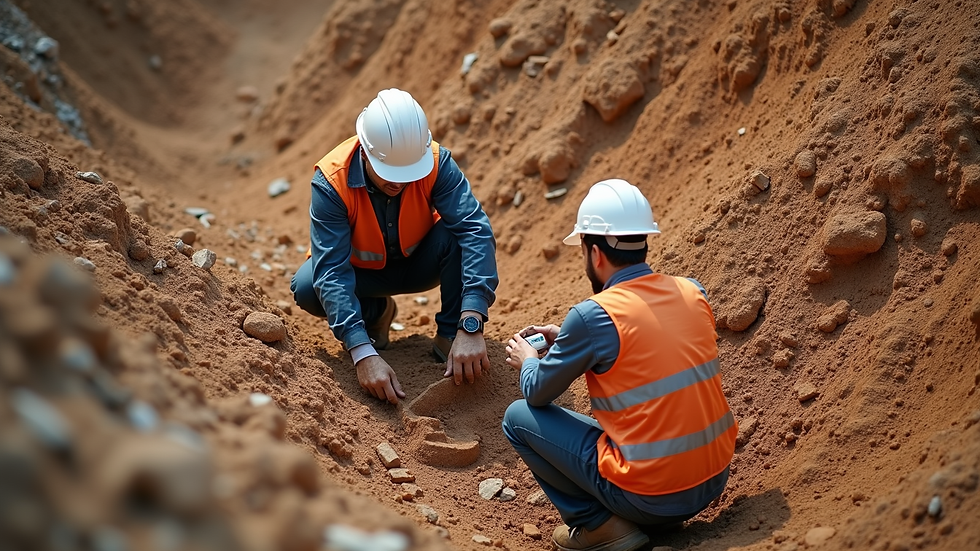
Site inspection and data collection
Soil and rock testing
Groundwater assessment
Stability calculations and modelling
Risk evaluation and reporting
Recommendations for mitigation or design changes
For example, a service starting from $2200+GST offers a comprehensive package that balances cost and thoroughness. This price point often includes detailed reports and expert advice tailored to your project’s scale and complexity.
How to Choose the Right Slope Stability Analysis Service
Selecting the right provider is key to getting reliable results. Consider these factors:
Experience: Look for firms with a strong track record in geotechnical engineering and slope analysis.
Local knowledge: Providers familiar with Australian and New Zealand soil and climate conditions can offer more accurate assessments.
Technology: Modern software and testing equipment improve precision.
Communication: Clear, timely reporting helps you make informed decisions.
Value: Compare what is included in the price to ensure you get comprehensive service without unnecessary extras.
One example of a trusted service is the Slope Stability Analysis from $2200+GST, which offers detailed geotechnical reports and practical recommendations for construction projects.
Practical Examples of Slope Stability Analysis Impact
Consider a hillside residential development. Without slope stability analysis, builders might assume the ground is firm. After heavy rain, the slope could shift, damaging foundations and roads. The cost to fix this could be tens of thousands of dollars, plus delays.
In contrast, a thorough analysis identifies weak soil layers and groundwater issues early. Engineers design retaining walls and drainage systems to stabilise the slope. The project proceeds smoothly, with reduced risk and better safety.
Another example is a highway construction through a hilly area. Slope stability analysis helps determine cut and fill slopes, preventing landslides that could block traffic and cause accidents.
Integrating Slope Stability Analysis with Other Geotechnical Services
Slope stability is one part of a broader geotechnical investigation. Combining it with services like soil testing and foundation design ensures a holistic approach.
For instance, a geotechnical consultancy might offer:
Soil testing to determine load-bearing capacity
Slope stability analysis to assess risk of failure
Foundation design to match ground conditions
This integrated approach reduces surprises during construction and supports sustainable, safe development.
What to Expect from a $2200+GST Slope Stability Analysis
At this price, you can expect:
A site visit by qualified engineers
Collection of soil and rock samples
Basic laboratory testing for strength and moisture
Use of standard slope stability software for analysis
A clear report outlining findings and recommendations
This level of service suits small to medium projects or initial feasibility studies. Larger or more complex sites may require more detailed investigation and higher budgets.
How Slope Stability Analysis Supports Sustainable Development
Sustainability in construction means building safely while minimising environmental impact. Slope stability analysis contributes by:
Preventing erosion and sediment runoff into waterways
Reducing the need for extensive earthworks
Guiding design that works with natural landforms
Avoiding damage that leads to resource-intensive repairs
By understanding the earth’s stability, developers can plan projects that last and respect the environment.

Final Thoughts on Slope Stability Analysis
Knowing how stable the earth is beneath your project is not optional. It is a critical step that protects safety, controls costs, and ensures compliance. Services starting from $2200+GST provide a practical entry point for reliable slope stability analysis.
Taking this step early helps avoid costly surprises and supports strong, sustainable infrastructure. When planning your next project, consider professional slope stability analysis as an essential part of your groundwork.
For more information on slope stability analysis services, visit Slope Stability Analysis from $2200+GST.
This post aims to provide clear, practical insights into slope stability analysis and its importance for construction projects on sloped land. Understanding these factors helps build safer, more durable infrastructure across Australia and New Zealand.


Comments