Soil Test and Slab Design in SEQ from $700+GST
- bespokeeng
- 2 days ago
- 4 min read
Understanding soil conditions and designing a suitable slab are critical steps in any construction project. In South East Queensland (SEQ), where soil types and weather patterns vary, these steps ensure the stability and longevity of buildings. This post explores the importance of soil testing and slab design, the process involved, and how investing from $700+GST can save time and money in the long run.
Why Soil Testing Matters in SEQ Construction
Soil testing is the foundation of any successful construction project. It provides detailed information about the soil’s properties, such as its composition, strength, moisture content, and load-bearing capacity. These factors directly influence the type of slab design required.
SEQ features a range of soil types, including clay, sandy soils, and volcanic deposits. Clay soils, common in many parts of SEQ, expand and contract with moisture changes. This movement can cause slabs to crack or shift if not properly designed. Without soil testing, builders risk using a slab design that does not accommodate these soil behaviours.
Soil testing helps identify:
Soil classification and type
Bearing capacity
Moisture levels and drainage characteristics
Potential for soil movement or shrink-swell behaviour
This information guides engineers in selecting the right slab type and foundation depth. It also helps anticipate challenges such as waterlogging or erosion.
The Process of Soil Testing and What to Expect
Soil testing typically begins with a site visit by a geotechnical engineer or technician. They collect soil samples from various depths using specialised equipment. These samples undergo laboratory analysis to determine key properties.
The testing process includes:
Site inspection: Visual assessment of the site and surrounding area.
Soil sampling: Drilling or digging to collect samples at different depths.
Laboratory analysis: Testing for particle size, moisture content, density, and chemical composition.
Reporting: A detailed report summarising findings and recommendations for slab design.
The entire process usually takes a few days to a week, depending on site conditions and testing complexity. The report provides clear guidance on the most suitable slab design options.
Slab Design Options Based on Soil Test Results
Once soil test results are available, engineers can design a slab that suits the site conditions. Common slab types in SEQ include:
Concrete slab on ground: Suitable for stable soils with low movement risk.
Suspended slab: Raised above ground, ideal for sites with poor soil or high moisture.
Raft slab: Distributes load over a large area, used on expansive clay soils.
The choice depends on soil bearing capacity, moisture levels, and the building’s load requirements. For example, a raft slab may be recommended for clay soils prone to swelling, while a simple slab on ground might suffice for sandy, well-drained soils.
Examples of Soil Testing and Slab Design Services in SEQ
In SEQ, several engineering consultancies offer comprehensive soil testing and slab design services starting from $700+GST. These services include site assessment, soil sampling, laboratory testing, and detailed slab design reports.
One example is a geotechnical service that provides:
On-site soil sampling with modern drilling equipment
Laboratory testing using Australian standards
Custom slab design recommendations tailored to the site
Clear, easy-to-understand reports for builders and developers
Another service focuses on integrating soil test results with sustainable design principles. This approach helps reduce environmental impact while ensuring structural safety.
These services help infrastructure developers and construction companies make informed decisions early in the project, reducing risks and unexpected costs.
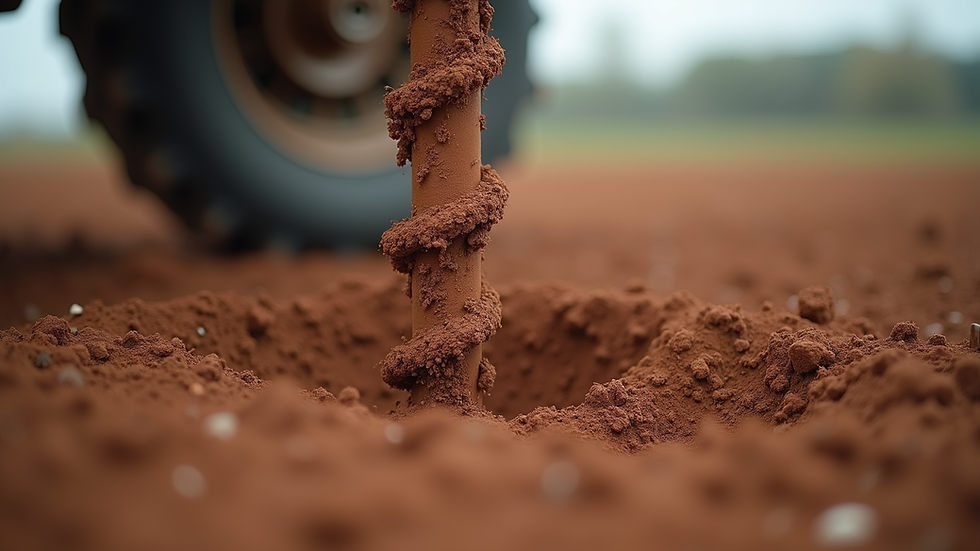
Soil sampling in SEQ clay soil to determine foundation requirements.
Benefits of Investing in Soil Testing and Slab Design Early
Investing in soil testing and slab design from the start offers several advantages:
Reduced risk of structural failure: Proper slab design prevents cracking and shifting.
Cost savings: Avoid expensive repairs or redesigns caused by unsuitable foundations.
Compliance with regulations: Meets local building codes and standards.
Improved project planning: Accurate data helps schedule and budget effectively.
For example, a construction company in SEQ reported saving 15% on foundation costs by using detailed soil test data to select a raft slab instead of a more expensive deep pile foundation.
How to Choose the Right Service Provider in SEQ
Selecting a reliable soil testing and slab design service is crucial. Consider these factors:
Experience and qualifications: Look for certified geotechnical engineers with local knowledge.
Range of services: Ensure they offer both testing and design.
Turnaround time: Fast reporting helps keep projects on schedule.
Clear communication: Reports should be easy to understand and actionable.
One recommended service is Geotech Solutions SEQ, which offers comprehensive soil testing and slab design packages starting from $700+GST. Their team specialises in SEQ soil conditions and provides detailed reports tailored to client needs.
Sustainable and Innovative Approaches in Slab Design
Modern slab design in SEQ increasingly incorporates sustainable practices. These include:
Using recycled materials in concrete mixes
Designing slabs to minimise excavation and soil disturbance
Incorporating moisture barriers to reduce water ingress
Optimising slab thickness to reduce material use without compromising strength
These approaches align with the goal of delivering high-precision, sustainable solutions in civil and structural engineering. They also contribute to long-term durability and lower environmental impact.
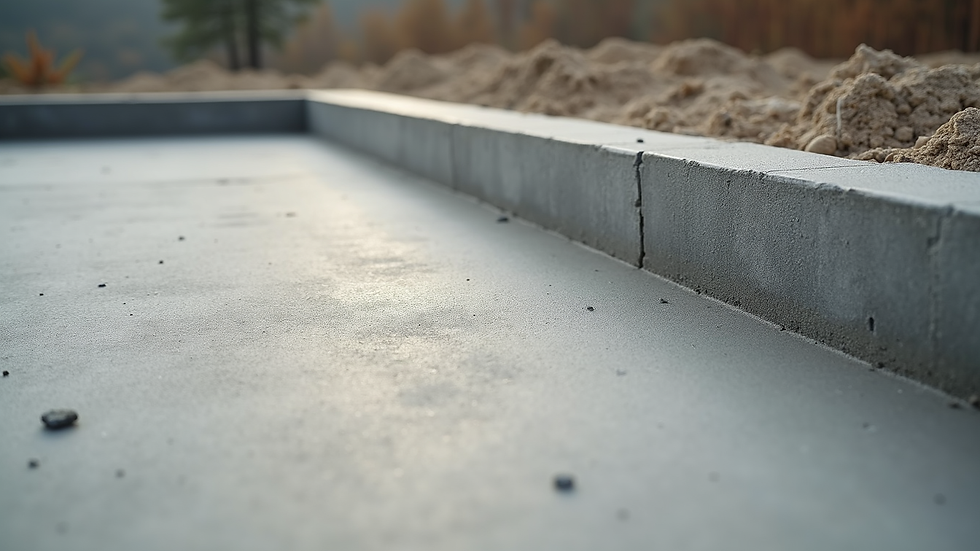
Concrete slab with moisture barrier designed for SEQ soil conditions.
Common Challenges and How Soil Testing Helps Overcome Them
SEQ construction projects often face challenges such as:
Expansive clay soils causing slab movement
High water tables leading to poor drainage
Variable soil types across a single site
Unexpected soil contamination
Soil testing identifies these issues early. For example, if high moisture content is detected, engineers can design slabs with proper drainage or use suspended slabs to avoid water damage.
This proactive approach reduces delays and costly fixes during construction.
Final Thoughts on Soil Testing and Slab Design in SEQ
Soil testing and slab design are essential steps that protect construction investments in SEQ. Starting from $700+GST, these services provide valuable insights into soil conditions and guide the selection of the most suitable slab type.
By choosing experienced providers and integrating sustainable design principles, projects can achieve strong, durable foundations that meet regulatory requirements and environmental goals.
For infrastructure developers and construction companies, early investment in soil testing and slab design means fewer surprises, better planning, and long-term success.

Completed slab foundation designed based on thorough soil testing in SEQ.
Explore more about soil testing and slab design services at Geotech Solutions SEQ to ensure your next project starts on solid ground.


Comments